

Showing posts with label people. Show all posts
Showing posts with label people. Show all posts
12/31/11


12/28/11
Screen Sirens of the 1940s
 |
| Unidentified Photographer, Bette Davis, 1940s-50s |
 |
| Unidentified Photographer, Ava Gardner, 1940s |
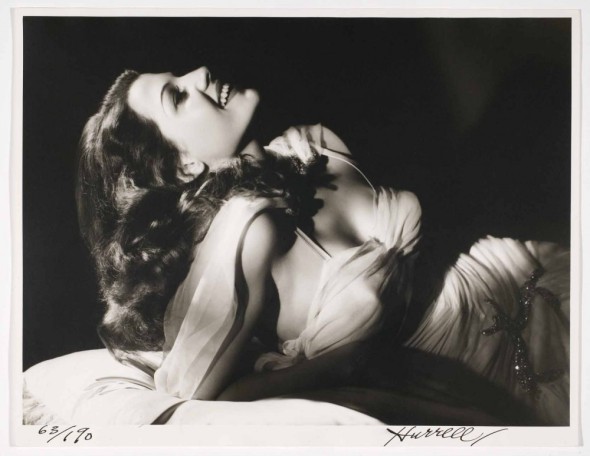 |
| George Hurrell, Rita Hayworth, 1941 |
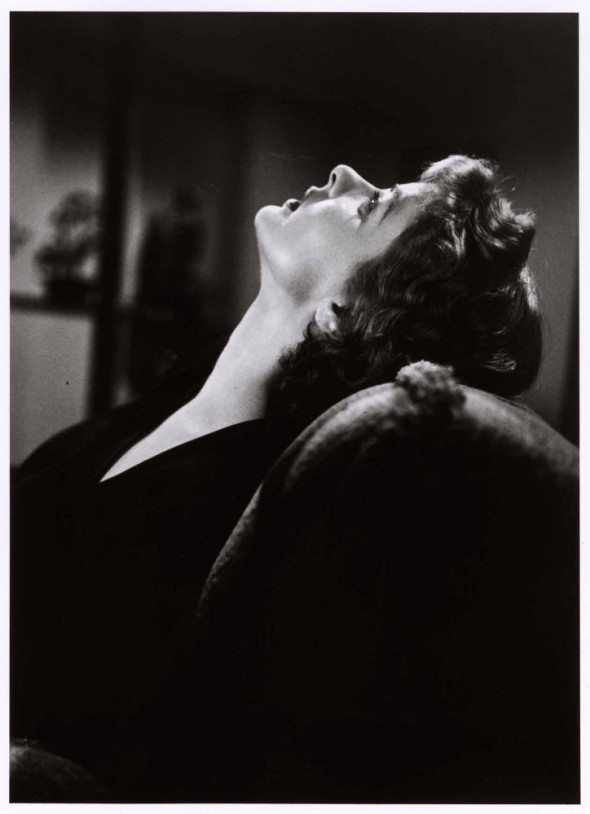 |
| Robert Capa, [Ingrid Bergman in a dramatic scene from Arch of Triumph, Hollywood], July-October 1946 |
Vitas Luckas
Vitas Luckus was born on May 29, 1943 in Kaunas, Lithuania. At the age of eighteen, after graduating with a degree in drawing and painting, his parents gave him an AGFA camera, which initiated his fascination in photography. In the following years he developed a great interest in art photography and became a member of the Kaunas Photo Club, to which he was elected president a few years later.
According to Luckus, the conventional use of light and visual arrangement of a photograph would leave out essential elements that could retrieve the vitality and different levels of reality. He advocated a style in which there was no hierarchy of meaning: every element in the photographic composition was of equal importance. Only then was it possible to capture the “truth” and represent the essence of a scene, of life itself.
For his series, and last work, Attitude towards Old Photography, Luckus made montages from a large collection of photographic images other than his own. In the book he created of these works, text and titles were deliberately excluded to maintain the unity of his constructed realism. In his diary he wrote:
In the beginning I tried to classify my work according to social phenomena and photographical style, emphasizing the topic of life and death. This made me feel like a Lithuanian artist carving statues of God or the saints. When I put everything on the table, however, I felt like a god myself. In front of me I had an Asian and a Red Indian, a Negro, a white, a Moslem, a Buddhist, a Christian, the Czarist army, the Polish army, the Kaiser, the war, funerals and weddings. I shuffled thousands of images into a heap an found they were an orderly heap of life, because everything here was life and because all of us, whether a boxer, a Czar, a beggar or a half-naked woman were disclosed here. Archive photography seemed to me to reflect a bottomless well, waiting for someone to look into it and understand it.
Luckus was known to drink excessively and experienced ongoing confrontation with the authorities. This battle was set off by his refusal to adhere to the conventional standards of beauty, regulations that were firmly guarded by the Lithuanian government. In 1987, during a visit from several men to his home, Luckus got into an argument with one of the men, who was later identified as a KGB agent. The fight became violent and Luckus stabbed and killed the man. Only moments after the incident, Tanya Luckiene, his wife, found Luckus: he had jumped to his death from their balcony.
Together with Aleksandras Macijauskas, Vitas Luckus is considered to be a reformer of the traditional romantic realism within Lithuanian photography.
Source: Vitas Luckus: The Hard Way. Photographer, Lithuania, 1943–1987. Zurich: Edition Stemmle, 1994
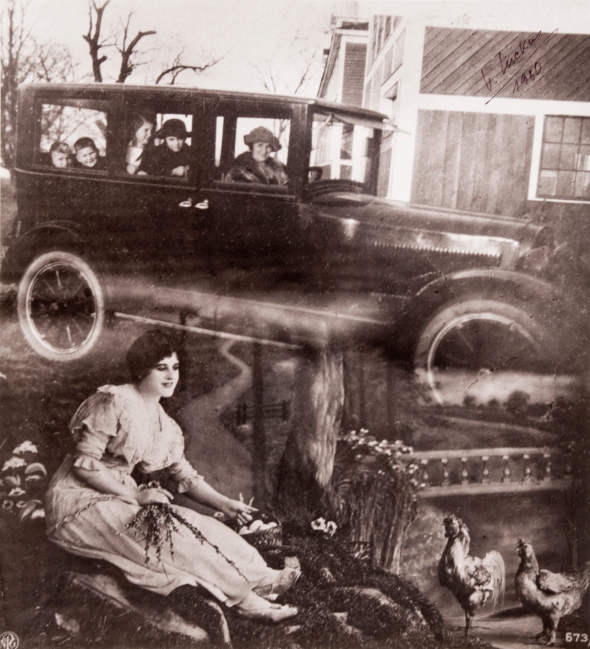 |
Vitas Luckus, Holiday mood, 1980
|
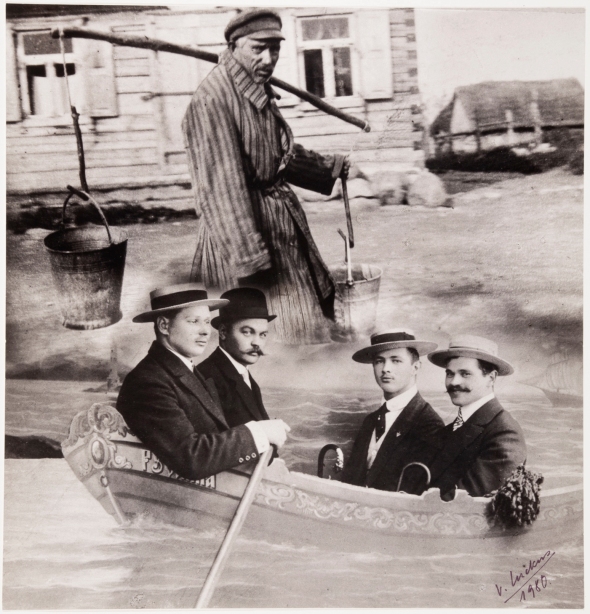 |
Vitas Luckus, Different water, 1980
|
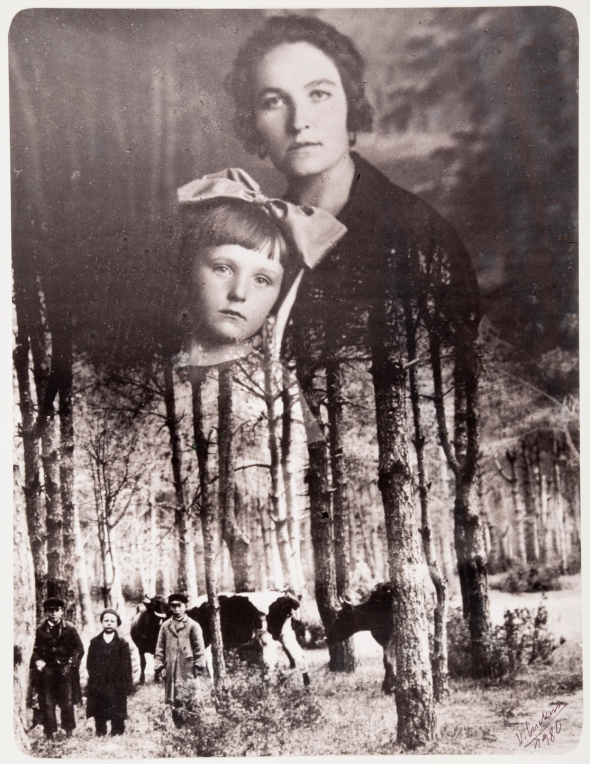 |
Vitas Luckus, It seems nobody of them to be alive now, 1980
|
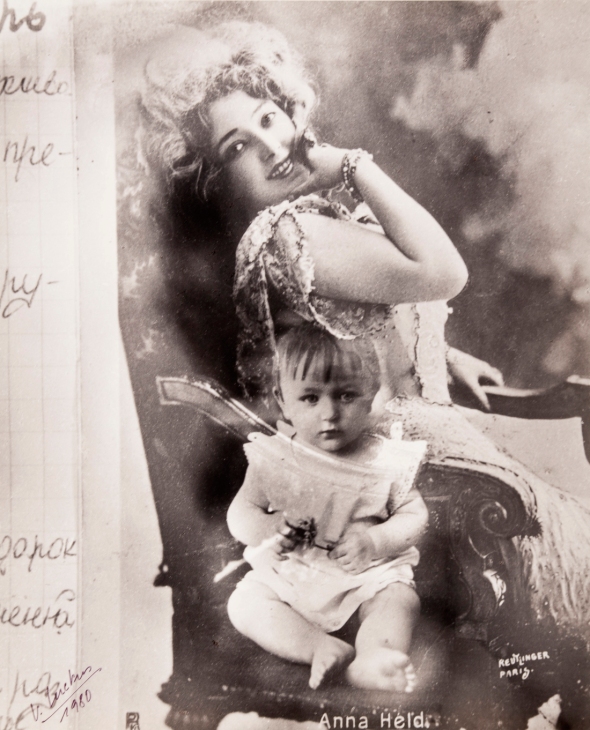 |
Vitas Luckus, Anna, 1980
|
Autochromes
John B. Trevor (1878–1956) was an American lawyer and one of the most influential unelected officials active in the Immigration Act of 1924. After World War I, Trevor was a captain in a military intelligence unit in the U.S. Army and was decorated as Chevalier in the French Légion d’Honneur for his assistance to the French Army. A passionate amateur photographer, Trevor discovered Autochrome Lumiere plates in 1907 while vacationing in France. ICP’s collection of Trevor’s autochromes depicts his family, friends and curios he collected from his many vacations aboard. This collection is a brilliant observation of a lifestyle well forgotten but preserved in such a magnificent process.
Brian Paumier, ICP-Bard MFA, 2012
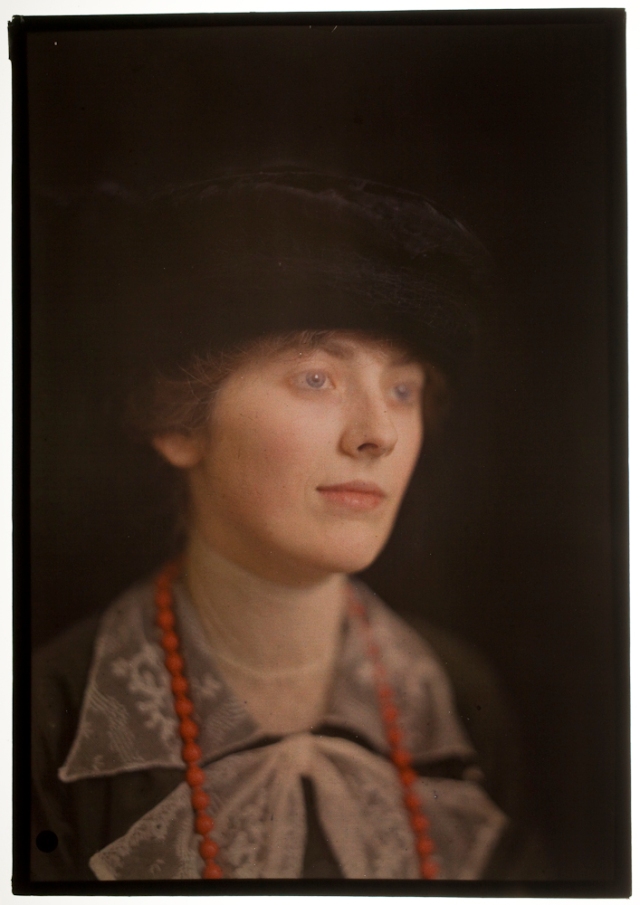 |
John B. Trevor, Emily Winthrop, 1910
|
 | ||
John B. Trevor, John B. Trevor and Bronson Trevor, ca. 1912
|

 |
| J. B Trevor, Mrs. John B. Trevor, ca. 1914 |

5/15/10
Kiersey Temperament Sorter - my personal result is below but click here to take test
| | Your Keirsey Temperament Sorter Results indicates that your personality type is that of the Idealists, as a temperament, are passionately concerned with personal growth and development. Idealists strive to discover who they are and how they can become their best possible self -- always this quest for self-knowledge and self-improvement drives their imagination. And they want to help others make the journey. Idealists are naturally drawn to working with people, and whether in education or counseling, in social services or personnel work, in journalism or the ministry, they are gifted at helping others find their way in life, often inspiring them to grow as individuals and to fulfill their potentials. Idealists are sure that friendly cooperation is the best way for people to achieve their goals. Conflict and confrontation upset them because they seem to put up angry barriers between people. Idealists dream of creating harmonious, even caring personal relations, and they have a unique talent for helping people get along with each other and work together for the good of all. Such interpersonal harmony might be a romantic ideal, but then Idealists are incurable romantics who prefer to focus on what might be, rather than what is. The real, practical world is only a starting place for Idealists; they believe that life is filled with possibilities waiting to be realized, rich with meanings calling out to be understood. This idea of a mystical or spiritual dimension to life, the "not visible" or the "not yet" that can only be known through intuition or by a leap of faith, is far more important to Idealists than the world of material things. Highly ethical in their actions, Idealists hold themselves to a strict standard of personal integrity. They must be true to themselves and to others, and they can be quite hard on themselves when they are dishonest, or when they are false or insincere. More often, however, Idealists are the very soul of kindness. Particularly in their personal relationships, Idealists are without question filled with love and good will. They believe in giving of themselves to help others; they cherish a few warm, sensitive friendships; they strive for a special rapport with their children; and in marriage they wish to find a "soulmate," someone with whom they can bond emotionally and spiritually, sharing their deepest feelings and their complex inner worlds. Idealists are relatively rare, making up no more than 15 to 20 percent of the population. But their ability to inspire people with their enthusiasm and their idealism has given them influence far beyond their numbers. Idealists at Work Conscience looms large for you; in almost any situation, you feel compelled to measure yourself, other people, and the conditions of the environment against your personal morality. You have a tendency to perceive questions of meaning in even trivial matters and to worry about far-flung consequences of your actions. In your ideal job, you are free to pursue depth rather than breadth and quality rather than quantity. You feel rewarded when your projects and daily tasks allow you to immerse yourself in your process as deeply as you "need to" in order to satisfy your inner standards of quality. You are uncomfortable with the notion of authority per se and may avoid leading, as well as being led, either consciously or unconsciously. As you experience them, adhering to fixed roles and rules amounts to an abdication of your responsibility to exercise your conscience. |
4/21/10



12/19/09


5/30/09

5/10/09

Subscribe to:
Posts (Atom)